Core Services Supplied by Arborists: Caring for Your Trees and Landscape
Arborists fulfill an important role in sustaining the wellbeing of trees and beautifying outdoor spaces. Their expertise encompasses several fundamental services, from establishing trees and detecting ailments to precise pruning and pest prevention. These professionals not only elevate the beauty of properties but also contribute to broader environmental goals. Understanding the specific techniques and practices employed by arborists reveals how they protect our green spaces and guarantee the sustainability of tree populations. What obstacles do these professionals encounter in their daily work?
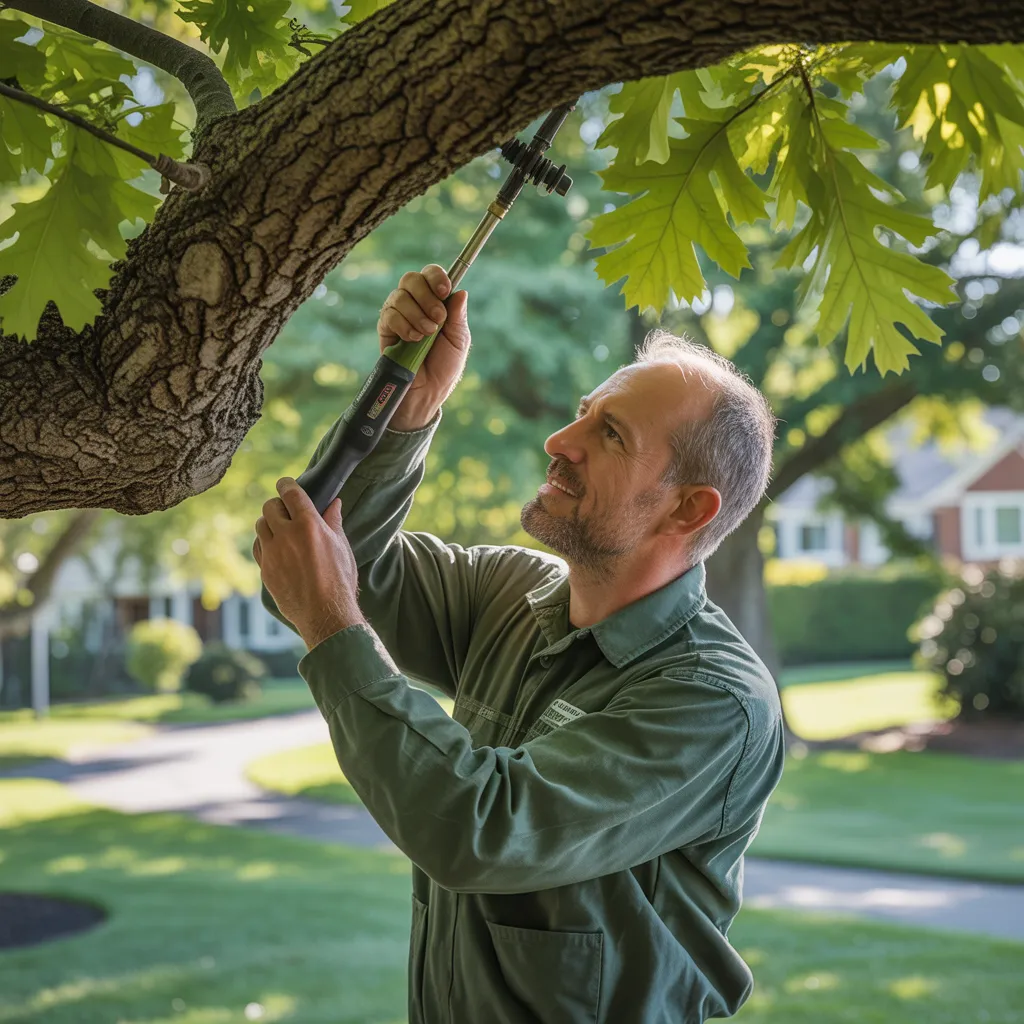
The Essential Role of Arborists in Tree Care
Arborists serve a vital role in the preservation and maintenance of trees, supporting their vitality and lasting health. These certified specialists possess a deep understanding of tree biology and ecology, enabling them to evaluate tree health with precision. They identify diseases, pests, and environmental stresses that may threaten tree health. These professionals also deliver important services such as planting trees, identifying issues, and suggesting treatments adapted to individual species and environments.
Additionally, they inform property owners about proper tree care techniques and the importance of maintaining healthy trees in the yard and property. Arborists often collaborate with regional authorities and nonprofits to support urban tree management efforts, strengthening biodiversity and elevating air purity. Their skill not only adds to the visual appeal of residential and commercial properties but also makes a meaningful impact in sustainability efforts. Ultimately, arborists are vital stewards of the tree population, promoting a sustainable relationship between nature and urban development.
Methods for Successful Tree Pruning
Effective tree pruning involves recognizing diverse methods and identifying the best timing for every technique. Various pruning techniques fulfill unique objectives, spanning from boosting development to sustaining tree wellness. Timing is essential, as selecting the correct season can profoundly affect the tree's reaction to pruning activities.
Pruning Method Types
Trimming trees necessitates a well-planned strategy to guarantee healthy growth and aesthetic appeal. Several pruning techniques fulfill different objectives, each suited to individual scenarios. Thinning entails the deliberate removal of branches to enhance light penetration and air circulation, supporting general tree vitality. Crown reduction, on the other hand, shortens the height and spread of a tree while maintaining its natural shape, often used to mitigate risk from heavy winds. Deadheading focuses on removing spent flowers or dead branches, fostering new development and lengthening bloom cycles. Finally, rejuvenation pruning is applied to overgrown shrubs, encouraging fresh growth by cutting back old wood. Grasping these approaches empowers arborists to efficiently maintain tree health and secure a beautifully maintained outdoor space.
Ideal Timing For Effective Pruning
When should trees be pruned for the best health and growth results? Tree care professionals suggest pruning in late winter or early spring, right before new growth starts to emerge. This timing minimizes stress on the tree and reduces the risk of disease. This approach promotes improved healing as the tree begins its active growth period. Certain species may also benefit from summer pruning to manage size or remove dead wood. Nevertheless, pruning in fall is typically not recommended, as it may leave trees vulnerable to winter damage. Understanding the specific needs of each tree species is essential for peak results. By adhering to these guidelines, arborists guarantee trees remain healthy and vibrant throughout their lifecycle.
How Arborists Address Tree Diseases and Pests
Professional arborists actively monitor and control tree-related diseases and pest issues to preserve the vitality and long-term health of trees in urban and rural environments. They initiate the process by carrying out detailed examinations to uncover initial indicators of infestations and infections. Utilizing their expertise, arborists determine the nature and scope of the concern, which assists in identifying the most effective treatment options.
Integrating IPM strategies, they combine biological, cultural, and chemical controls to reduce the environmental footprint. This holistic approach may involve releasing beneficial insects, applying organic treatments, or employing selective pesticides when warranted.
In addition, certified arborists educate property managers on preventative steps, such as appropriate irrigation and pruning practices, to improve the hardiness of trees. Consistent care and oversight ensure that any arising concerns are resolved quickly, effectively safeguarding the visual and environmental worth of trees in both metropolitan and rural landscapes.
Key Signs You Require Emergency Tree Removal?
The health of a tree can decline quickly, resulting in circumstances that require prompt intervention. Warning signs that point to the need for emergency tree removal consist of noticeable cracks or fractures in the trunk, which weaken the overall structural integrity. Moreover, major limbs or the entire tree positioned at an irregular angle can be a sign of structural instability, particularly following harsh weather conditions. Dead or decaying branches, commonly paired with visible fungal development, indicate that the tree is past the point of recovery.
An additional warning sign is the existence of extensive root damage, which can further compromise the tree's stability. If a tree is situated close to electrical lines or buildings, any of these signs can pose immediate risks to safety. Tree specialists advise prompt assessment and action when these warning signs appear, as ignoring these signs can lead to hazardous situations for both surrounding property and people. Regular inspections can help in identifying these issues before they turn into dangerous emergencies.
Essential Guidelines for Planting New Trees
When establishing new trees choosing the right species is crucial to ensure long-term health and growth. Furthermore, adequate soil conditions play a significant role in the development of a tree. Understanding these factors can greatly enhance the success of any planting endeavor.
Finding The Ideal Species
Identifying the correct type of tree is vital for guaranteeing a thriving landscape, as various species present unique benefits and challenges. Elements such as available space, climate, and soil type have a significant impact in making this choice. As an example, native species visit resource frequently demand less care and are better adapted to surrounding ecosystems, supporting local wildlife. Additionally, considerations like mature size, growth rate, and disease resistance can impact the selection. Homeowners should also think about the visual appeal and year-round character of the selected species, verifying they suit the surrounding environment. Working with a certified arborist can provide valuable insights, assisting in identifying varieties that suit both personal preferences and environmental conditions, ultimately fostering a resilient and balanced outdoor environment.
Guaranteeing Suitable Soil Conditions
Preparing the soil is crucial for the proper development of new trees. Arborists emphasize the importance of assessing soil quality before planting. This includes testing pH levels and ensuring proper drainage to establish an ideal environment for root growth. Improving the soil with organic matter can enhance nutrient availability and improve structure. Additionally, the soil should be loose enough to allow roots to spread freely, yet stable enough to provide stability.
Certified arborists advise excavating a hole a minimum of two times the width of the root ball to promote lateral root expansion. Spreading mulch at the base of the tree aids in preserving moisture and controlling temperature, additionally promoting vigorous growth. Optimal soil conditions create the basis for healthy trees and beautiful landscapes.
The Critical Role of Routine Tree Maintenance and Inspections
Routine tree maintenance and inspections are critical for ensuring the wellbeing and safety of trees and neighboring properties. Certified arborists play an important role in recognizing potential concerns, like disease, pest outbreaks, and structural instabilities. Routine evaluations enable prompt interventions, that can minimize significant damage and extend the life expectancy of trees.
Additionally, routine maintenance, including cutting and soil enrichment, fosters robust growth and boosts the overall appearance of green spaces. Evaluations aid in recognizing trees that might threaten adjacent structures or passersby, allowing preventative steps to reduce potential dangers.
In addition, the upkeep of trees delivers ecological advantages, such as improved air quality and wildlife habitat. With regular care and thorough inspections, landowners can secure their investments and cultivate a healthy ecosystem. At the core of it all, the knowledge of skilled arborists ensures that trees grow and prosper rather than simply endure, enhancing the beauty and safety of the landscape.
Common Questions and Answers
What Certifications Should I Look for in an Arborist?
When choosing an arborist, one should look for qualifications such as ISA (International Society of Arboriculture), TCIA (Tree Care Industry Association), and state-specific licenses, ensuring their expertise in tree care and management.
How Regularly Should I Arrange Tree Inspections?
Tree inspections ought to be carried out annually, or every six months for high-risk species or areas. Routine evaluations help detect potential problems early, making certain trees remain healthy and secure while enhancing overall landscape resilience and visual appeal.
Can Arborists Assist in Landscaping Design?
Certainly, arborists can help with landscape development by analyzing tree condition, identifying suitable plant species, and securing optimal location. Their expertise enhances aesthetic appeal while supporting ecological balance, culminating in a sustainable and beautiful garden space.
What Is the Optimal Time to Plant Trees?
The optimal time for planting trees is in early spring or autumn. Such seasons deliver favorable soil temperatures and moisture levels, supporting robust root establishment and securing enhanced growth throughout the upcoming warmer months.
How Do Weather Conditions Affect Tree Care Services?
Climate conditions considerably affect tree health management. Rainfall, temperature fluctuations, and wind conditions have the potential to influence planning, pest control, and soil stability, demanding changes in approaches and timing to ensure optimal tree vitality and development.